
The 37th
LaureateArchitecture
Daniel Libeskind

Biography
Born May 12, 1946 / Lodz, Poland
Daniel Libeskind is an internationally renowned architect and urban designer, celebrated for his ability to evoke cultural memory through emotionally resonant and original architecture. His work is deeply informed by his lifelong engagement with music, philosophy, and literature, and is guided by a strong commitment to sustainability.
Born in Lodz, Poland, Libeskind immigrated to the United States as a teenager and settled with his family in the Bronx. Initially trained as a musician, he studied in New York and Israel under an American-Israel Cultural Foundation Scholarship, achieving the level of musical virtuoso before shifting his focus to architecture.
He earned his professional degree in architecture from the Cooper Union for the Advancement of Science and Art in 1970, followed by a postgraduate degree in the history and theory of architecture from the School of Comparative Studies at Essex University in 1972.
Libeskind established his architectural studio in Berlin in 1989 after winning the competition to design the Jewish Museum Berlin—an internationally acclaimed project that launched his career onto the global stage. In 2003, Studio Libeskind relocated its headquarters to New York City when Libeskind was appointed the master planner for the World Trade Center redevelopment.
As he says, "Architecture, like music, is connected to the body itself," Libeskind possesses a refined sensitivity to sound and physical experience, and he continues to remain committed to hand-drawn design. To the next generation, he offers the following message: "Do not simply follow the flow of others. Do not fear risk; pursue your dreams. There are times when failure carries greater meaning than success." While embracing the weight of history, he also insists that "architecture must speak in places where silence prevails."
Libeskind lives in New York City and Berlin with his wife and business partner, Nina Libeskind. The headquarters of the Studio Libeskind remains in New York City and has undertaken a wide range of cultural, civic, commercial, and residential projects across the globe. The firm's portfolio includes museums, concert halls, convention centers, university buildings, hotels, retail complexes, and residential towers. As Principal Design Architect, Libeskind frequently lectures at universities and professional conferences, sharing insights into his creative process and vision for architecture. His work has been featured in numerous exhibitions and publications, influencing contemporary architecture and the evolution of urban life.
Currently, the Albert Einstein Discovery Center project is underway in the southern German city of Ulm, the birthplace of Albert Einstein. This state-of-the-art facility, which will communicate Einstein's scientific achievements and his spirit of pacifism, is set to become a new landmark through which Libeskind—an architect who has long woven memories of the past into his work—expresses a vision of future exploration inspired by the spirit of one of history's greatest scientists.
His 2018 book, Edge of Order, offers a personal exploration of his design philosophy and creative journey. Libeskind has received numerous prestigious awards, including the Goethe Medal, the Hiroshima Art Prize, the Dresden Peace Prize, and the European Civil Rights Prize of the Sinti and Roma.
-
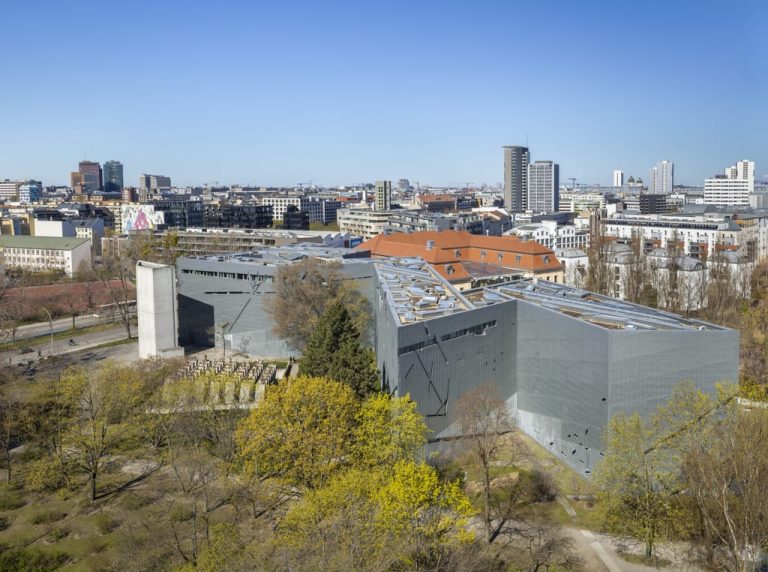
Jewish Museum Berlin, Germany, 2001
-
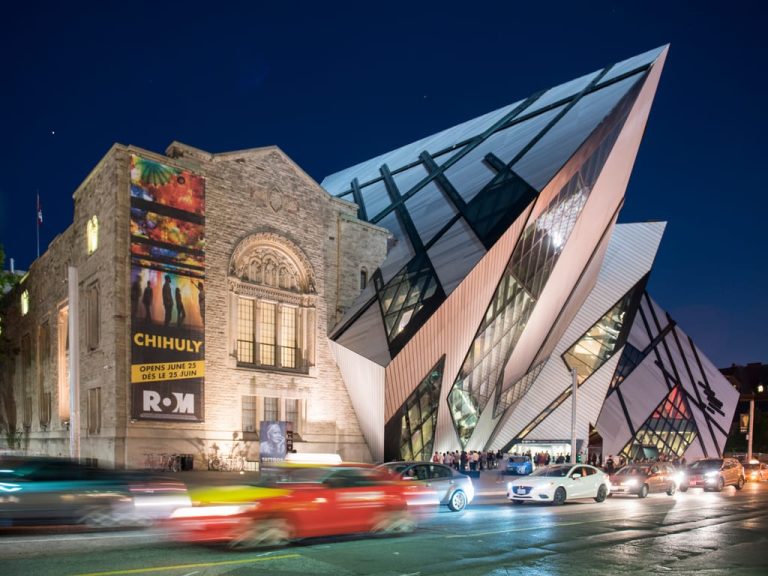
Royal Ontario Museum, Toronto, Canada, 2007
-
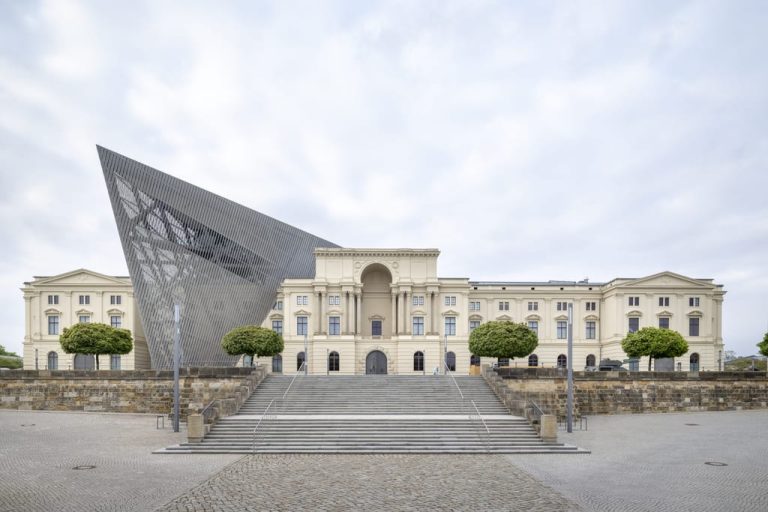
Bundeswehr Museum of Military History, Dresden, Germany, 2011
-
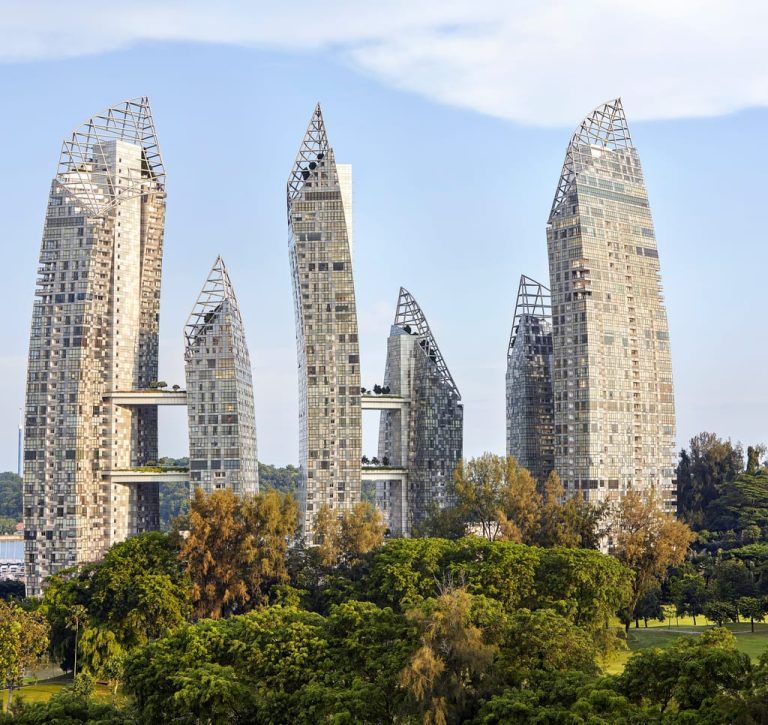
Reflections at Keppel Bay, Singapore, 2011
-
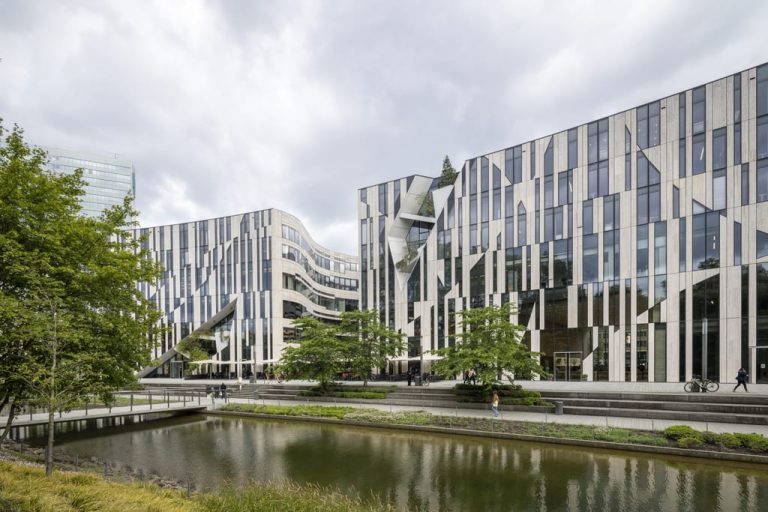
Kö-Bogen, Düsseldorf, Germany, 2013
-
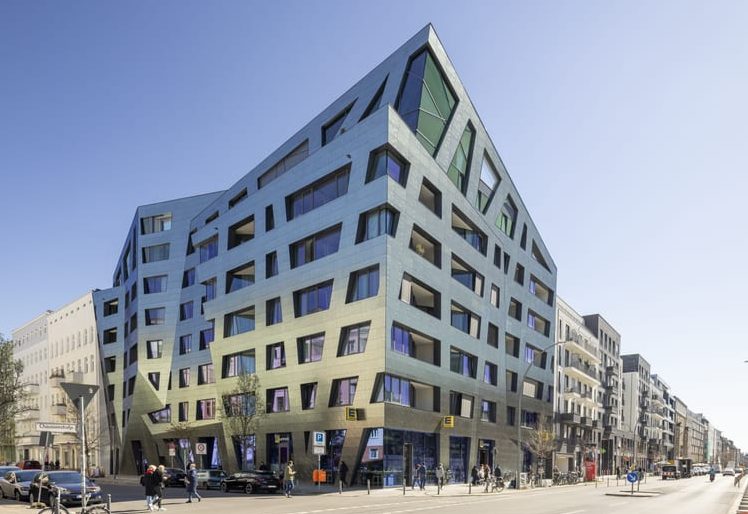
Sapphire, Berlin, Germany, 2017
-
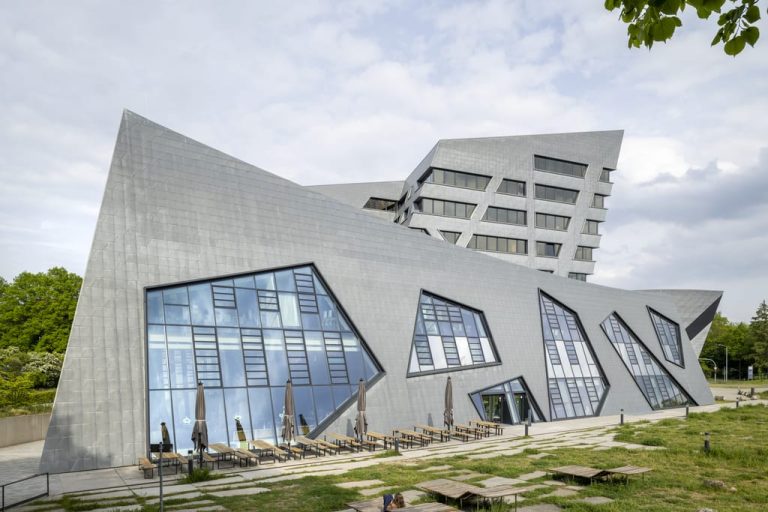
Forum at Leuphana University, Lüneburg, Germany, 2017
-
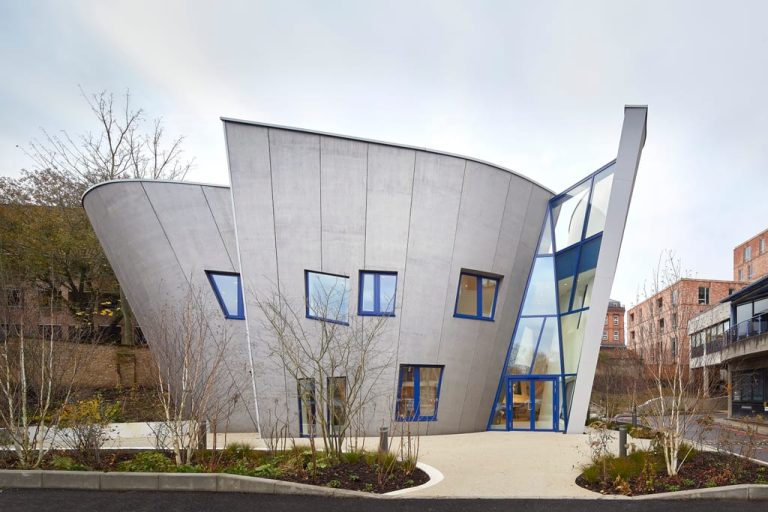
Maggie's Centre at the Royal Free, London, U.K., 2024
-

With the Jewish Museum Berlin sketch on site, May 2026
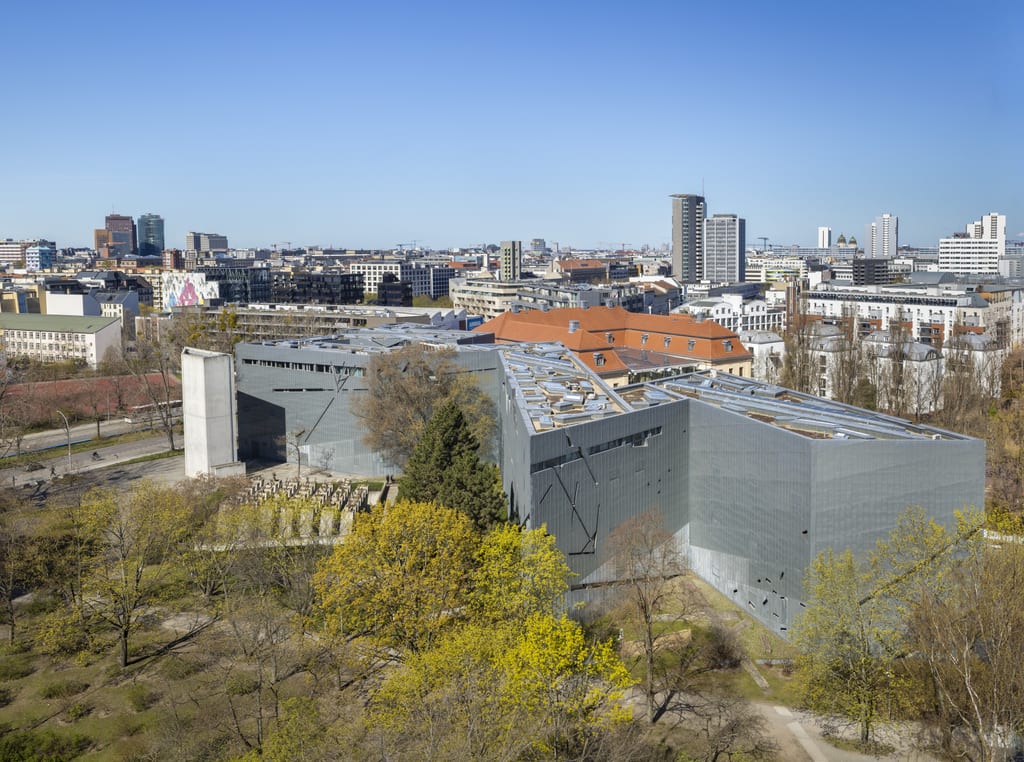
Jewish Museum Berlin, Germany, 2001
Photo: Roland Horn © The Japan Art Association
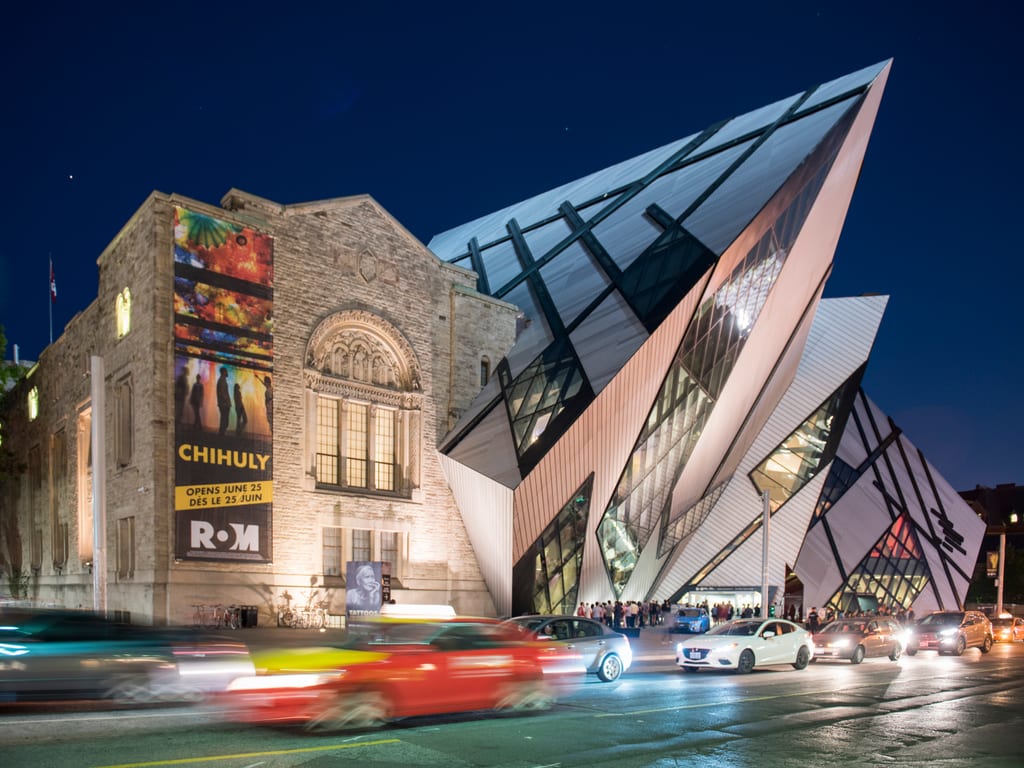
Royal Ontario Museum, Toronto, Canada, 2007
© Alex Fradkin
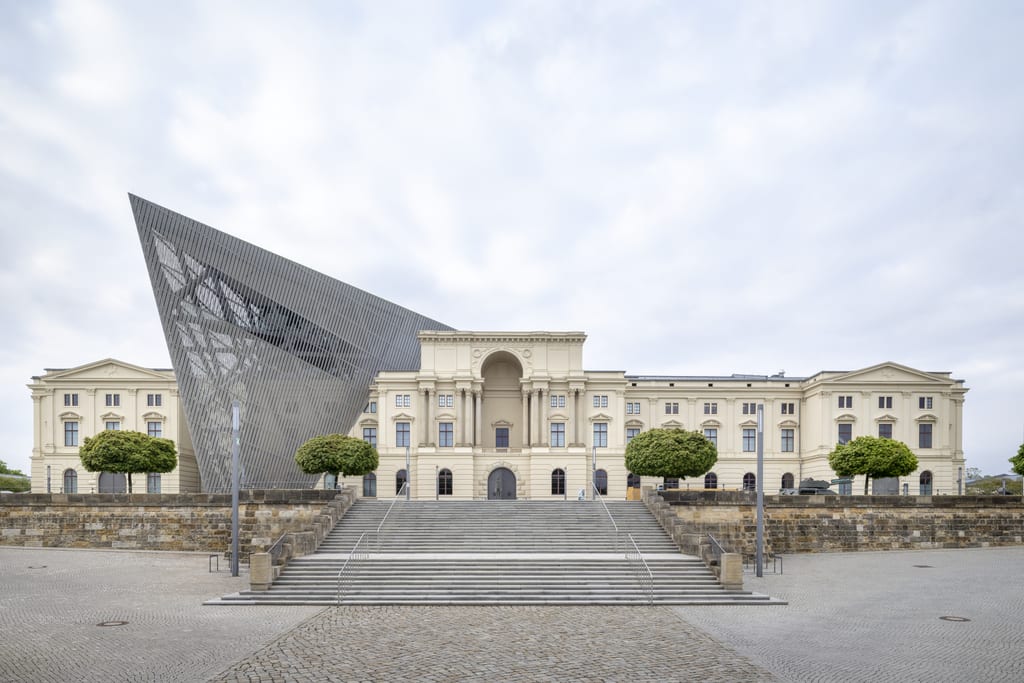
Bundeswehr Museum of Military History, Dresden, Germany, 2011
Photo: Roland Horn © The Japan Art Association
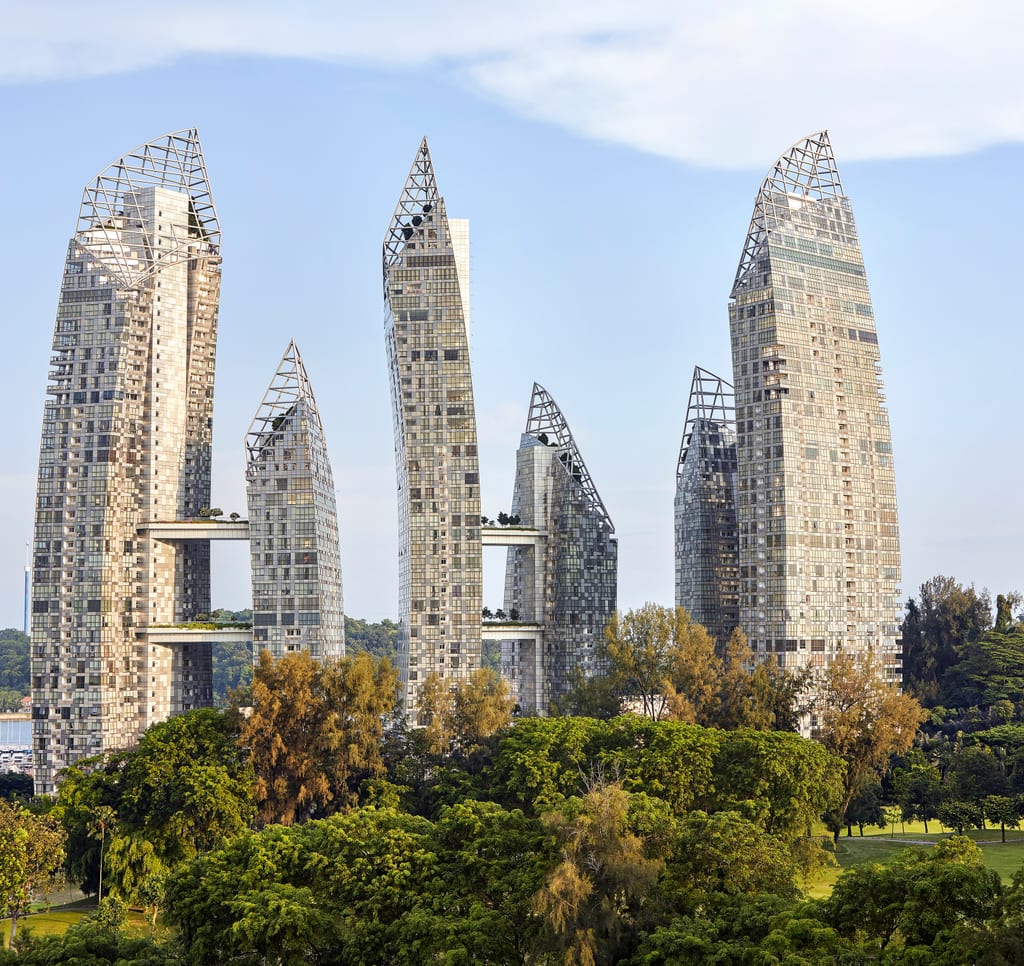
Reflections at Keppel Bay, Singapore, 2011
© Hufton+Crow
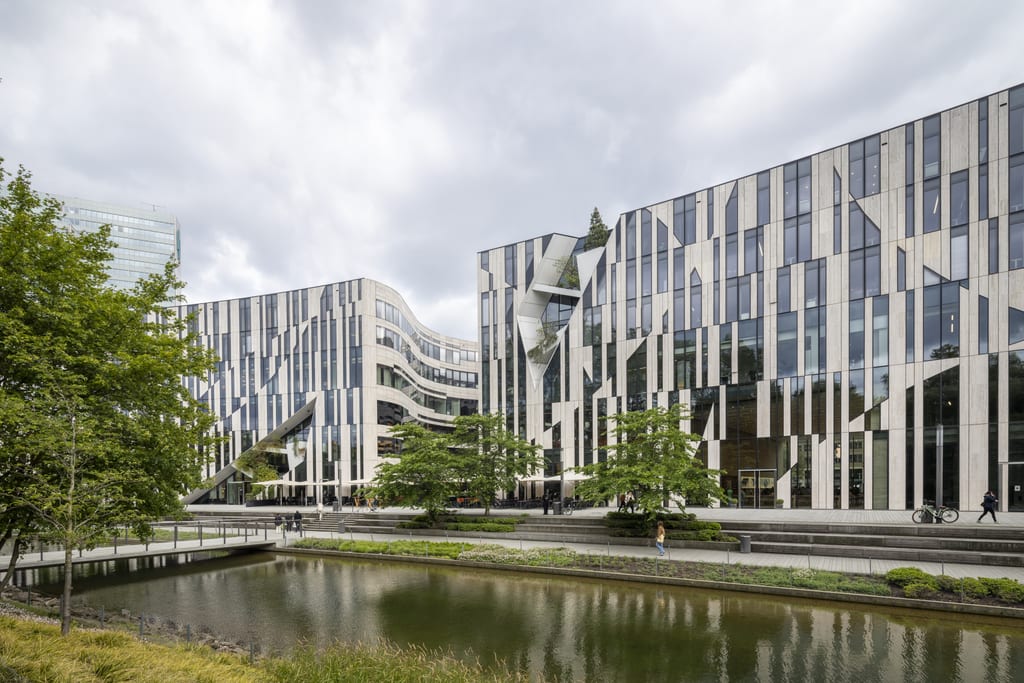
Kö-Bogen, Düsseldorf, Germany, 2013
Photo: Roland Horn © The Japan Art Association
Sapphire, Berlin, Germany, 2017
Photo: Roland Horn © The Japan Art Association
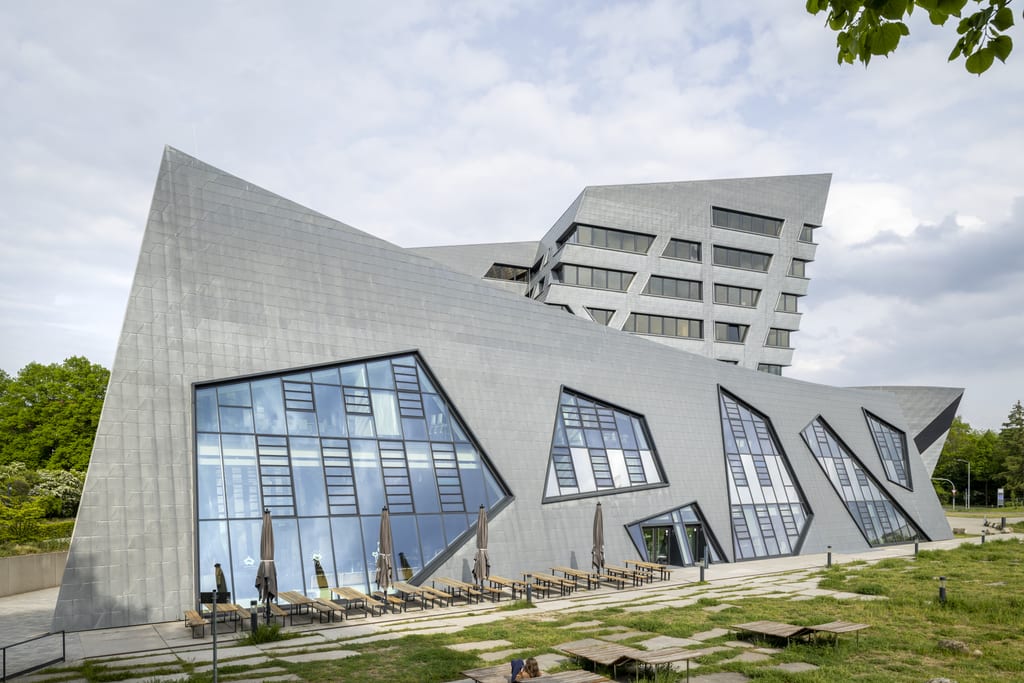
Forum at Leuphana University, Lüneburg, Germany, 2017
Photo: Roland Horn © The Japan Art Association
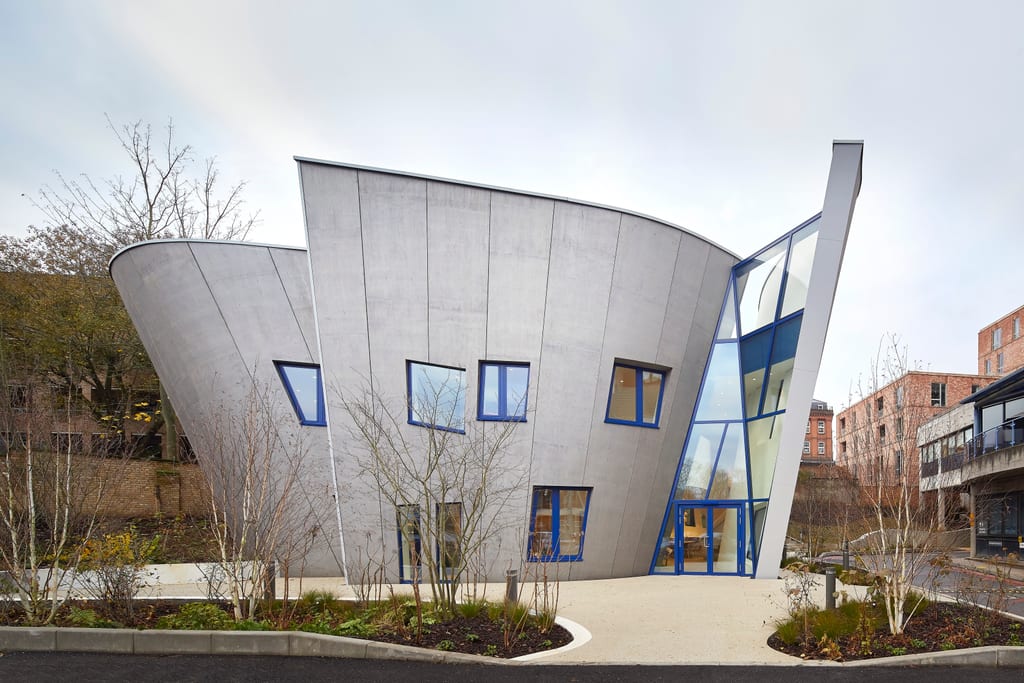
Maggie's Centre at the Royal Free, London, U.K., 2024
© Hufton+Crow
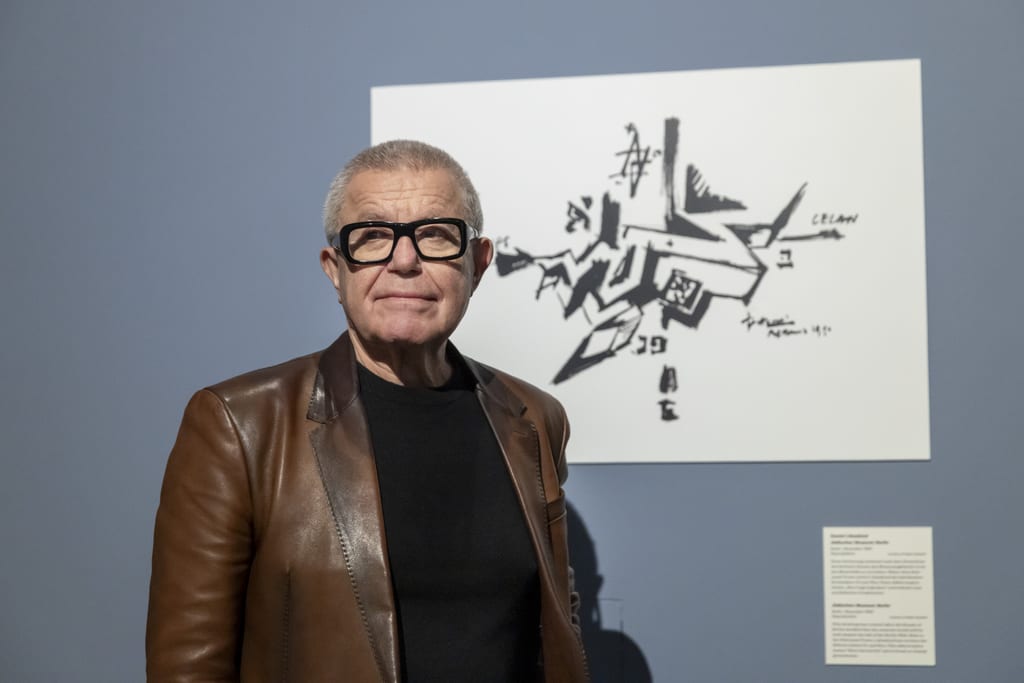
With the Jewish Museum Berlin sketch on site, May 2026
Photo: Roland Horn © The Japan Art Association